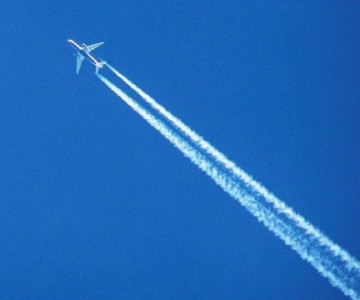
Aviation is a truly global economy . It transports over 2.2 Billion passengers annually all over the globe. In this blog we will discover the benefits to us by aviation.
Tourism
Tourism is a massive part of world trade. It employs 79 million people globally.Air transport plays a major part in supporting tourism. Over 40 percent of tourists fly to their destination. Many popular tourist sites have grown rapidly due to tourism.7.7 million jobs are directly supported by people using air travel . If you think about it. If an airline starts to fly into an airport there has to be hotels for tourists to stay , restaurants , car hire, attractions and shops. All these jobs are made because the airline brings tourists to that area. Many tourist hot spots around Europe and the world survive on airlines bringing tourists on holiday (ie , Malaga , Faro , southern France).Air Transport supports 17.1 million jobs within tourism and is worth 90 billion a year to GDP.
Jobs
The air transport industry is a major direct employer in the world economy. The industry carried 2.2 billion people and 44 million tonnes of freight in 2006 . These services provided 5.5 million direct jobs globally.
- 780,000 people work in manufacturing aircraft , frames and engines etc.
- 2.0 million people work for airlines as handling agents , pilots , flight crew , check in staff and maintenance staff
- 380,000 people employed in airport security , air traffic control , airport management .
- 2.3 million have other jobs in airports such as hotels , restaurants , duty free , shops
The aviation sector also supports 6.3 million indirect jobs globally (2006). these jobs include fuel companies , construction workers , business services , accountants , call centres.
As well as these jobs the aviation industry supports 2.9 induced jobs. Examples of these are banks restaurants ans service industries.
So it can be said the the airline industry supports 15 million jobs globally.
World business and efficiency
the aviation sector open new markets to businesses around the world. They allow businesses to access far off distant markets.They also allow more effective and direct communications between a business and their customers. This helps the business increase sales and expand to wider and more profitable economy's away from their location or base.Air transport can improve efficiency allowing managers to visit other countries and other sites of multinational companies.
Finally air transport can provide a fast and reliable delivery service to businesses. They can shorten delivery times and meet customers deadlines fast. Its clear to me that air transport has made business better on a global scale.
Social benefits
Air transport is not only good for business and profits but also for people.It provides transport to remote areas of the world where other transport modes may not be suitable. Air transport can deliver food , education and hospital supplies. Also it enables family and relatives to come together.In the case of a humanitarian aid disaster air transport can deliver supplies to the affected area fast and effectively. they also can evacuate people during disasters.
Air transport can make foreign travel and tourism available for us.
It can increase co operation and understanding between different cultures and ethnic back rounds. It can allow people have contact with family and friends. Air transport can improve living standards by widening choice. ie( delivers seasonal fruit all year round at reasonable prices)
Its clear that air transport has benefited the world greatly and benefited people greatly also.